






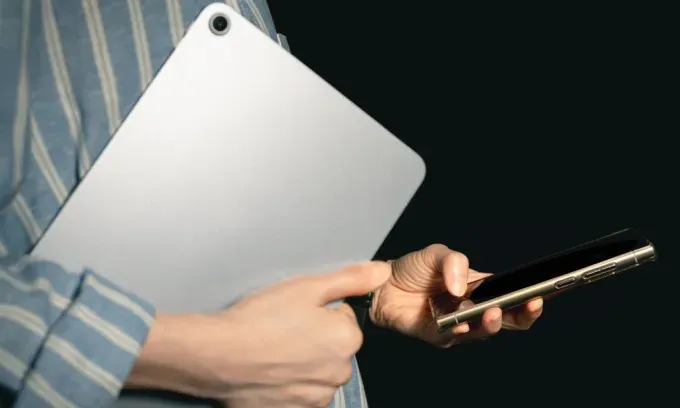
Portable contents insurance provides a level of financial cover for personal items that regularly leave your home address with you. This type of insurance can cover valuables ranging from devices, such as a phone or laptop, to items of jewellery, like an engagement ring or watch.
Portable contents insurance can be included with your home and contents insurance policy as standard, or it may need to be added to your existing policy at an extra cost. Some insurance providers offer portable contents insurance as a separate product that can be purchased for just a single item.
How much does portable contents insurance cover cost?
The cost of portable contents insurance will depend on what you want to insure. You'll need to check with each insurer to see what items they may be prepared to cover and what premium they charge.
There may be a limit on how much cover you can get under a standard insurance policy. For example, an insurer may be willing to cover up to $1,000 per item, which is not a great deal if you’re trying to get cover for an expensive laptop, camera, or item of jewellery.
If you want insurance on something more valuable, you may have to negotiate some level of customised cover, such as standalone insurance. Consider shopping around to see what you can get from various insurers and check any Product Disclosure Statement (PDS) for policy details.
What's covered by portable contents insurance?
Portable contents insurance typically covers your personal items against theft, accidental loss, or damage while you're away from home anywhere in Australia or New Zealand. Some policies may extend this cover to other countries when you're travelling for a certain period of time.
Each portable contents policy will have its own list of inclusions, but depending on the policy, these may include:
- Loss or damage to personal belongings due to theft, fire, storm, flood, or accidental damage
- Portable items taken outside the home, such as laptops, phones, cameras, and jewellery
- Contents damaged or lost during transit, for example while moving house or travelling
- Accidental damage to household items while at home
- Replacement of personal items if they're stolen, lost, or accidentally damaged
- Cover for high-value items if listed specifically on the policy, like musical instruments or designer goods
- Temporary accommodation costs if your home is uninhabitable due to an insured event
- Cover for portable items stored securely in another location, such as a storage unit.
Check with your insurer whether overseas cover for your personal items is available and what exclusions may apply.
What's not covered by portable contents insurance?
As with inclusions, each portable contents policy will carry its own list of exclusions. Depending on the policy, these may include:
- Items used for business, a profession, or trade, that are owned by you or any company, trust, or other legal structure in which you have an interest
- Loss of or damage to any item on exhibit or up for sale
- Accessories to any motor vehicle, watercraft, sailing craft, or aircraft, such as keys and keyless electronic starters
- Loss, theft, or corruption of electronic records
- Loss or damage to sporting or recreational and leisure goods and equipment while in use, which may include surfboards, golfing equipment, or skis
- Cash, smart cards, phone cards, vouchers, or money orders
- Loss caused by intentional or criminal acts carried out by the policyholder, a household member, or a guest
- Wear and tear of your portable contents, which may include depreciation, gradual deterioration, or lack of maintenance
- Inherent defects, which may include faulty design, structural defects, or poor workmanship
- Contents acquired illegally or illegally held
- Lack of care and security, such as leaving items unattended in a public place or in an unlocked vehicle.
Types of portable contents insurance
Not all portable contents insurance is created equal. The type of cover you choose can make a big difference in how your belongings are protected and how easy it is to make a claim. Most policies fall into two main categories: unlisted (unspecified) or listed (specified).
Understanding the difference can help you choose the right level of cover for your items - and your peace of mind:
Unlisted (or unspecified)
This type of cover typically lets you choose the maximum limit per item and the total sum insured - for example, up to $1,000 per item to a total of $4,000 of portable contents cover - without having to list items individually on your policy. The limits you can choose - and the maximum payout - are set by your insurer.
Listed (or specified)
This type of cover allows you to insure certain items separately for their full value by listing them individually on your policy, as well as estimating a replacement cost for each one. The value will need to be agreed on between you and your insurer. There will likely be an additional premium for any listed or specified items or personal effects.
Who offers the best portable contents cover in Australia?
Protecting your belongings doesn’t have to be complicated - or necessarily expensive. When looking for and comparing the best portable contents insurance, consider what matters most to you and your lifestyle. Ask yourself:
- How much cover do you actually need for your possessions?
- Do you want protection against theft, accidental damage, or both?
- Are any high-value items (like laptops, jewellery, or musical instruments) adequately covered?
- What’s a premium and excess you’re comfortable with?
It’s tempting to choose the cheapest policy, but remember: lower cost can sometimes mean limited cover or more restrictions. Make sure you understand what’s included and excluded, as well as any limits on your items, before locking in a policy.
Can I get standalone insurance cover for valuable items?
If specified portable contents insurance does not provide enough cover for some of your high-value items, you may be able to take out standalone insurance for these. There are usually insurance options available for smartphones, jewellery, laptops, tablets, cameras, musical instruments, and some expensive sporting equipment.
You can check with the providers of these items to see if they offer portable contents cover, or enquire with your preferred insurers.
What should I consider when buying portable contents insurance?
When researching your portable contents insurance options, consider assessing these factors along with the premiums on offer:
- Listed or unlisted cover: What type of cover does the policy provide? If I want an unlisted portable contents policy, can I get enough cover for my high-value items?
- Separate portable cover: Can I get portable contents cover if I don’t already have a contents insurance or combined home and contents insurance policy?
- Claim process: How can claims be made? Is there a 24-hour helpline? Can I make claims or check their progress online or by phone?
- Content inclusions and exclusions: What portable items are included? What conditions apply to theft? Is sporting equipment covered when it’s in use?
- Worldwide cover: Is there cover when I take these items overseas, and if so for how long does this cover apply?
- Cover limits: What's the maximum dollar amount I can claim for unlisted items on a per-item basis?
- Excess: How much excess will I need to pay when I make a claim and can I adjust the amount? Are there multiple excesses that apply?
Before you take out portable contents insurance for your items, it may be a good idea to shop around and compare different cover options to find a policy that best suits your needs and budget.