
Which cars are the cheapest to insure?
There's no hard and fast rule about which cars are the cheapest to insure. Generally speaking, the safer the car, the cheaper the premium is likely to be, but the cost of car insurance is often as much about the drivers listed on the policy as it is about the vehicle itself.
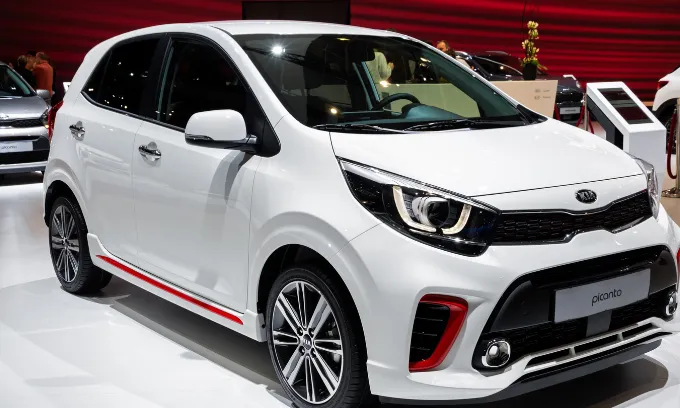
To give you an idea, Youi Insurance used their own data to come up with an illustrative list of some of the cheapest new cars to insure, by make and model:
Car make | Car model | Annual insurance premium range |
|---|---|---|
Kia | Picanto | $640 – $1,402 |
Toyota | Yaris | $643 – $1,375 |
Hyundai | i20 | $650 – $1,463 |
Subaru | XV (now Crosstrek) | $655 – $1,260 |
Mitsubishi | ASX | $670 – $1,342 |
Kia | Stonic | $675 – $1,483 |
Hyundai | Kona | $681 – $1,375 |
Hyundai | Venue | $698 – $1,387 |
Source: Youi Insurance - based on models available to purchase new in Australia as of April 2025.
There’s no current listing for cheapest used cars, but it would likely be influenced by the factors mentioned throughout this article.
What affects car insurance prices?
Car insurers in Australia have ratings systems that calculate premiums according to hundreds of factors, which may include:
- The age and gender of the driver(s) listed on the policy
- The claims and driving history of the driver(s)
- The car’s make, model, and age
- The car’s safety rating
- Where the car is parked overnight, including the suburb
- The value of the car
- The costs relating to replacing car parts and making repairs
- The type of car insurance being applied for (e.g., third party property damage, third party fire and theft, or comprehensive car insurance).
How do drivers affect car insurance premiums?
Men are usually more likely to be involved in road accidents than women, which is why they usually pay higher premiums. Generally, drivers under the age of 25 also pay higher premiums, due to their limited driving history.
Sharing your car with other drivers can also affect a provider’s perception of how risky you are to insure. The more drivers on your policy, the greater the perceived risk will likely be, meaning higher premiums.
The age and experience level of a driver can also affect the excess you pay if you need to make a claim. For example, if a driver aged under 25 has an an accident while driving your car, you may be required to pay a young driver excess.
What else affects car insurance premiums?
The area you live in (and its general crime rate), as well as where you park your car at night can also affect how much you pay. If you’re able to secure your car in a lockable garage or avoid parking on the street, you may see a reduction in your premiums. Comprehensive and third party fire and theft cover provide coverage if your car is stolen or damaged by thieves.
Another big factor is the safety of your car. If your car has a higher safety rating (as determined by ANCAP for new cars and UCSR for used cars), your insurer is less likely to make big payouts for car repairs/replacements, and may be more willing to insure it for a lower premium, compared to ‘less safe’ models.
Conversely, insurance premiums may be higher if a car is more expensive to repair, due to scarcity or specialisation of parts or challenges sourcing them. The age of the car can also play a factor; for example, vintage or classic cars can be more expensive to fix. The colour of your vehicle and if you’ve made any modifications to it may also affect your insurance premiums in some cases.
Should you insure your car for an agreed or market value?
The decision to insure your car for its market value or an agreed value can affect premiums. To help decide, you may want to do some research or obtain a few quotes and compare car insurance providers to see how choosing either could affect the premiums you pay.
How to save on car insurance
Some ways you can potentially save are:
- Increasing your excess, although you would need to contribute the higher excess amount when making a claim
- Get your car insured for market value rather than an agreed value
- Considering a more basic policy with fewer features and benefits
- Forgoing features like roadside assistance, windscreen replacement and rental car usage
- Taking advantage of car insurance sign-up deals
Also, many providers offer car insurance deals and discounts that can reduce the price of your premium, sometimes by hundreds of dollars a year. Depending on the provider and policy you choose, these could include:
- No-claims and safe driver discounts
- A discount for paying annually instead of monthly
- Named driver discounts
- Multi-policy discounts
- Online deals and discounts
- Discounted low kilometre and ‘pay as you drive’ policies