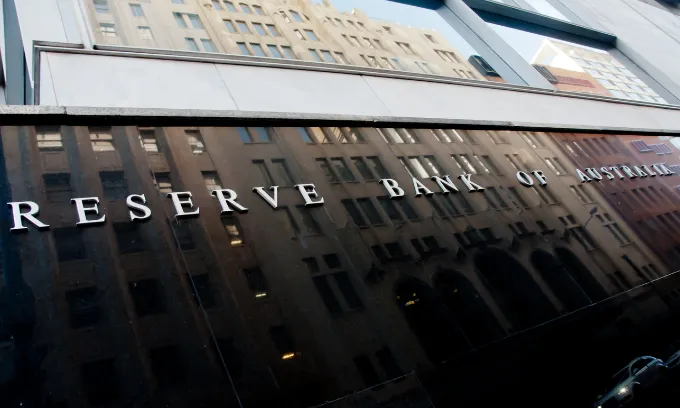







The Reserve Bank of Australia (RBA) cut the cash rate three times last year, offering a measure of relief to variable rate home loan borrowers, but the cuts are officially over, with four rate rises this year, and the chance of at least one more to come.
At its June and August meetings, the board of the RBA held the cash rate steady at 4.35%, and as recently as the beginning of August, economists at the nation’s big four banks predicted that the central bank would hold there and begin cutting in 2027.
The July CPI figures threw these predictions for a loop, with headline inflation slowing from 3.8% to 3.5%, much higher than the 3.2% that economists had predicted. More importantly, trimmed mean inflation, the figure the RBA relies upon when making its cash rate calls, remained steady at 3.6%.
RBA chief Michele Bullock recently indicated that she has abandoned the “narrow path” mentality of taming inflation, and is willing to take a more hawkish approach to bringing it back into line.
We saw this play out in September, with the RBA raising the cash rate by 25 basis points to 3.60%. Now, all eyes will be on the board to see if it sees fit to raise rates again on Tuesday November 3.
What do the major banks say about future cash rate hikes?
ANZ economists predict we’re in for one more cash rate hike in November, bringing the cash rate up to 4.85%.
CommBank economists predict no further cash rate hikes in 2026.
NAB economists predict no further cash rate hikes in 2026.
Westpac economists predict we’re in for one more cash rate hike in November, bringing the cash rate up to 4.85%.
Will rates rise in 2026?
The next cash rate call will be announced on Tuesday, November 3, but the key date to keep an eye on is October 28, when CPI figures are released. These figures will allow experts to look back on the economy in the September quarter, and will likely have a big impact on the RBA’s next decision.
If the next round of quarterly CPI numbers reassures the RBA’s board that inflation is cooling, we may see rates held steady in November. However, if they show inflation still sticking too high, or even getting higher, a cash rate rise may be much more likely.
How to ease the pain on your mortgage
There are ways you may be able to pay off your home loan quicker than planned. For example, paying more than the minimum required, or switching from calendar monthly to fortnightly payments can help you reduce the outstanding amount on your loan faster.
If you’re worried about the impact of any rate rise on your home loan repayments, you might want to consider reviewing your loan. A good place to start is by researching what other rates and loans are on the market, via a comparison website such as Canstar.
Armed with this information, you may choose to discuss with your lender what options may be available, such as fixing all or part of your loan. If you’re in a position to do so, you could also consider asking them for a lower rate, citing examples of other rates on offer.
You may also want to consider switching lenders to take advantage of a more competitive deal, including any refinance offers. But refinancing could involve the payment of fees, so it’s a good idea to read all important documentation, such as the Target Market Determination (TMD) and Key Facts Sheet, before making a decision.
Of course, any rate rise, while bad news for mortgage and other loan customers, would be good news for savers.
Anyone with savings in an interest bearing account will likely be looking for greater return on their money but borrowers will be keen to keep their repayments low, and that’s the challenge the RBA faces every time it meets to consider changing the cash rate.